What Is Last Mile Delivery? A Complete Guide for Canadian Businesses
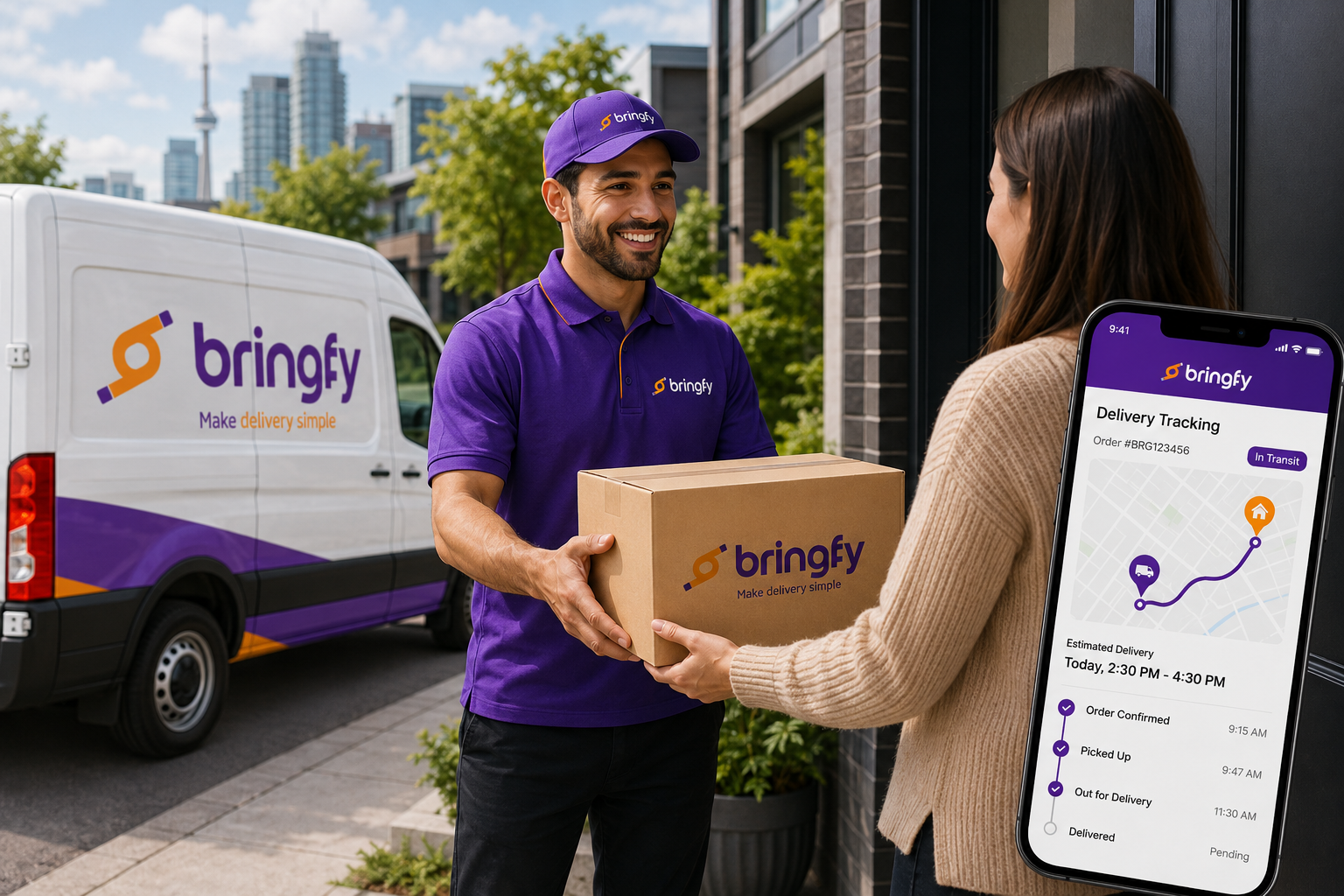
In today's competitive marketplace, fast and reliable delivery has become one of the biggest factors influencing customer satisfaction. Whether consumers are ordering groceries, electronics, furniture, or retail products, they expect their purchases to arrive quickly, safely, and with real time visibility. This growing demand has made last mile delivery one of the most important aspects of modern logistics. Although it represents only the final stage of the shipping journey, the last mile is often the most complex, expensive, and customer facing part of the entire supply chain. Businesses that optimize this process can improve customer loyalty, reduce operational costs, and gain a significant competitive advantage. In this guide, you'll learn what last mile delivery is, how it works, why it matters, the challenges companies face, and how technology is transforming the future of logistics.
What Is Last Mile Delivery?
Last mile delivery refers to the final step in the shipping process, where a package travels from a local distribution center or fulfillment hub to its final destination, typically the customer's home or business. Despite being called the "last mile," the actual distance may be only a few blocks or dozens of kilometers. The term describes the final stage of delivery rather than the exact distance traveled. For businesses, this final step is where customers form their strongest impression of the buying experience. A late delivery, poor communication, or damaged package can negatively affect customer satisfaction, even if every previous step in the supply chain was executed perfectly.
Why Last Mile Delivery Matters
Customer expectations have changed dramatically over the last decade. Online shoppers no longer view fast shipping as a luxury. They expect convenient delivery options, accurate tracking, and predictable arrival times. Businesses that invest in efficient last mile logistics can benefit from:
- Faster order fulfillment
- Improved customer satisfaction
- Increased repeat purchases
- Higher online conversion rates
- Better brand reputation
- Lower delivery costs through optimized operations
In competitive industries, delivery speed can become a deciding factor when customers choose between two businesses offering similar products.
How Last Mile Delivery Works
Although customers only see the final delivery, several coordinated steps happen behind the scenes.
Order Processing
Once a customer places an order, the retailer confirms payment and prepares the products for shipment.
Inventory systems verify product availability and generate shipping instructions.
Warehouse Fulfillment
Warehouse staff pick, pack, and label the order before transferring it to a local distribution facility.
Modern warehouses often automate much of this process to improve speed and accuracy.
Distribution Center
Packages are sorted based on destination, delivery priority, and available drivers.
This stage plays an important role in reducing unnecessary travel distances.
Route Optimization
Advanced software analyzes:
- Traffic conditions
- Delivery locations
- Driver availability
- Weather
- Delivery priorities
The system creates the most efficient route to minimize fuel consumption and travel time.
Delivery Execution
Drivers complete deliveries while customers receive status updates, estimated arrival times, and delivery confirmations. Many modern logistics platforms also provide proof of delivery using photos, digital signatures, or GPS verification.
Common Challenges in Last Mile Delivery
Despite advances in logistics technology, last mile delivery remains one of the most difficult parts of the supply chain.
High Delivery Costs
The last mile can account for more than half of the total shipping cost because each delivery typically involves individual stops rather than bulk transportation.
Fuel, labour, vehicle maintenance, and traffic all contribute to higher expenses.
Traffic Congestion
Urban areas often experience delays caused by congestion, construction, and limited parking. These issues reduce driver productivity and increase delivery times.
Failed Deliveries
Customers may not be available to receive packages, leading to additional delivery attempts that increase operational costs. Clear communication and flexible delivery options help reduce failed deliveries.
Rural Deliveries
Delivering to remote communities often requires longer travel distances with fewer deliveries per route, making rural logistics significantly more expensive.
Seasonal Demand
During holidays and promotional events, delivery volumes can increase dramatically. Without scalable logistics solutions, businesses may struggle to maintain service quality.
The Role of Technology in Modern Last Mile Logistics
Technology has transformed how businesses manage deliveries. Instead of relying on manual planning, modern logistics platforms automate many operational decisions.
Key technologies include:
Real Time Tracking
Customers can monitor deliveries throughout the journey, reducing uncertainty and support inquiries.
Route Optimization
Artificial intelligence continuously adjusts delivery routes based on changing traffic conditions and new orders. This helps reduce fuel consumption while increasing the number of successful deliveries per driver.
Digital Proof of Delivery
Drivers can capture signatures, photos, or GPS confirmations directly from mobile devices.
This improves accountability and reduces disputes.
Delivery Notifications
Automatic notifications keep customers informed about order status, estimated arrival times, and completed deliveries. Better communication significantly improves the customer experience.
Data Analytics
Businesses can measure important performance indicators, including:
- Delivery success rate
- Average delivery time
- Cost per delivery
- Customer satisfaction
- Driver productivity
These insights support continuous operational improvement.
Benefits of Efficient Last Mile Delivery
Businesses that optimize their delivery operations gain advantages beyond faster shipping.
Lower Operational Costs
Optimized routes reduce fuel consumption, vehicle wear, and labour expenses.
Better Customer Experience
Reliable deliveries build trust and encourage repeat purchases.
Satisfied customers are also more likely to recommend a business to others.
Increased Sales
Fast delivery options often reduce shopping cart abandonment and improve conversion rates. Consumers are more likely to complete purchases when they know products will arrive quickly.
Competitive Advantage
Offering flexible delivery options helps businesses differentiate themselves from competitors.
Industries That Benefit from Last Mile Delivery
Many industries rely on efficient delivery networks.
These include:
Ecommerce
Online retailers depend on reliable shipping to maintain customer satisfaction.
Retail
Physical stores increasingly offer local delivery to compete with online marketplaces.
Healthcare
Medical supplies and equipment often require rapid and reliable transportation.
Manufacturing
Manufacturers use last mile delivery to supply distributors, retailers, and customers efficiently.
Wholesale Distribution
Business customers often require scheduled deliveries with consistent service levels.
Same Day Delivery vs Next Day Delivery
| Feature | Same Day Delivery | Next Day Delivery |
|---|---|---|
| Speed | Within hours | Next business day |
| Best For | Urgent orders | Standard business deliveries |
| Customer Satisfaction | Very High | High |
| Operational Cost | Higher | Moderate |
| Planning Flexibility | Limited | Greater |
Choosing the right delivery option depends on customer expectations, delivery distance, and product type. Many businesses offer both services to meet different customer needs.
How to Choose the Right Last Mile Delivery Partner
Selecting a logistics provider involves more than comparing prices.
Consider factors such as:
- Geographic coverage
- Delivery speed
- Technology platform
- Real time tracking
- Scalability
- Customer support
- Delivery reliability
- Reporting capabilities
- Integration with ecommerce platforms
A reliable logistics partner should help your business grow while simplifying daily operations.
Why Businesses Are Investing in Smarter Delivery Solutions
As ecommerce continues to expand, businesses are moving away from manual dispatching and fragmented courier management. Modern delivery platforms simplify operations by connecting businesses with delivery partners, automating dispatch, optimizing routes, and providing real time visibility throughout the delivery process.
This allows companies to scale delivery capacity without building expensive in house fleets. Solutions such as Bringfy are designed to help businesses streamline last mile logistics while supporting same day and next day delivery needs through technology driven workflows.
Frequently Asked Questions
What is last mile delivery?
Last mile delivery is the final stage of the shipping process, where a package is transported from a distribution center to its final destination.
Why is last mile delivery expensive?
It involves individual deliveries, traffic, fuel costs, labour, and multiple stops, making it the most resource intensive part of logistics.
What industries benefit from last mile delivery?
Retail, ecommerce, healthcare, manufacturing, wholesale distribution, food services, and many other industries rely on efficient last mile logistics.
What is the difference between same day and next day delivery?
Same day delivery completes shipments within the same day, while next day delivery guarantees arrival on the following business day.
How can businesses reduce delivery costs?
Businesses can reduce costs by optimizing routes, using delivery management software, consolidating shipments, and partnering with technology focused logistics providers.
Last mile delivery is no longer just the final step of the shipping process. It has become one of the most important factors influencing customer satisfaction, operational efficiency, and long term business growth. Companies that invest in modern delivery technology can reduce costs, improve delivery reliability, and meet the growing expectations of today's customers. As the Canadian ecommerce market continues to expand, efficient last mile logistics will remain a key competitive advantage for businesses of every size. If your organization is looking to simplify deliveries, improve visibility, and offer flexible same day and next day delivery services, Bringfy provides a technology driven platform designed to support modern last mile logistics across Canada.
Ready to get started?
Get an guided demo with a Bringfyer expert.

CA: +1 (226) 978-6552
info@bringfy.ca


About Us
Support
© 2026 Bringfy
Made with by Bringfy Team
